Disadvantages of Credit Cards Nobody Tells You About

The interest rate is genuinely brutal if you carry a balance
Credit card interest in India commonly runs 24% to 42% a year, among the highest rates of any common borrowing product. A balance that feels manageable at ₹20,000 can grow substantially if only the minimum due gets paid month after month, since finance charges compound on the full outstanding balance, not just what's overdue.
What that actually looks like over a year
Start with a ₹20,000 balance at 36% annually, paying only the minimum (roughly 5%) each month with no new spending added. After twelve months of this pattern, the combination of ongoing finance charges and a minimum payment that barely dents the principal means the outstanding balance can still sit close to ₹16,000 to ₹18,000, even though you've made twelve separate payments along the way. The debt doesn't feel dramatic in any single month, that's exactly what makes it easy to keep doing, but the total interest paid across the year on that one balance can end up rivaling the original amount owed.
Spending feels different, and that's a real behavioral cost
Paying with a card genuinely changes spending behavior for a lot of people compared to paying with cash or a debit card, the friction of watching money actually leave an account is missing. This isn't a moral failing, it's a well-documented pattern, and it's worth being honest with yourself about whether a card makes you spend more than you would otherwise, independent of any rewards earned.
Fees stack in ways that are easy to underestimate
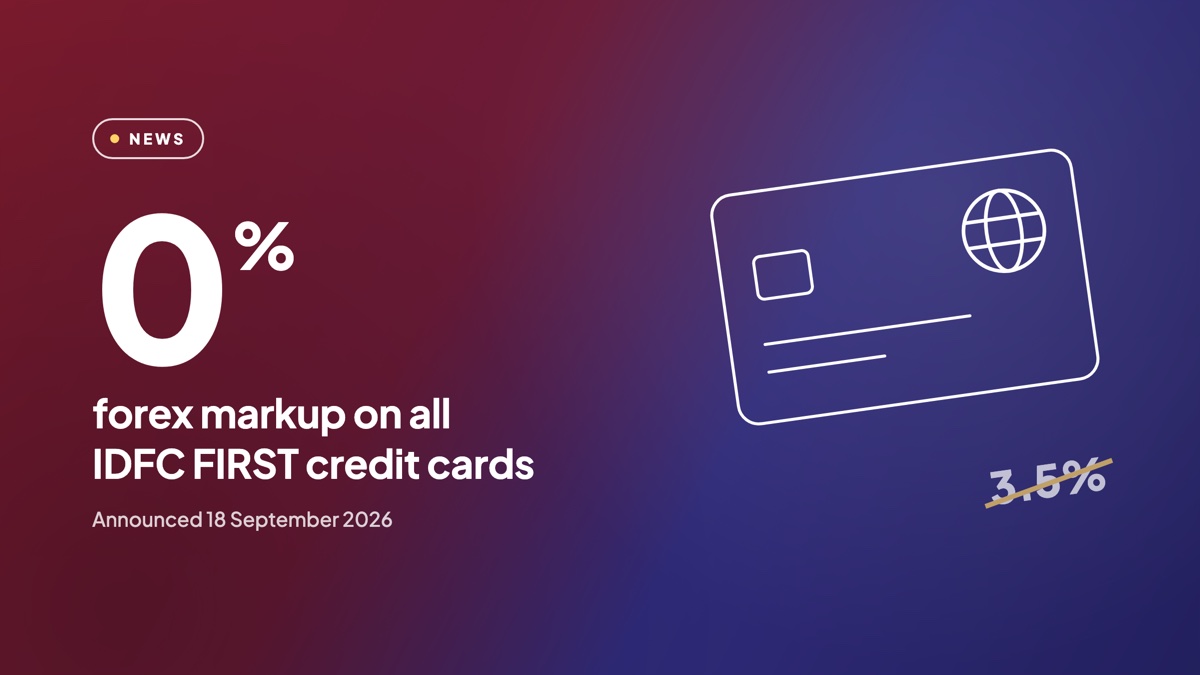
Beyond interest, there's the annual fee, late payment fees, occasional surcharge disputes, foreclosure fees on EMIs, and forex markup on international spends. Individually small, these add up over a year in a way that's easy to lose track of without actually reading a full statement.
It affects your credit score, in both directions
A credit card can build your credit history, but it can just as easily damage it: missed payments, high utilization, or closing your oldest card all show up on your credit report and can pull your score down for a long time. A card is a tool that cuts both ways depending entirely on how it's managed, not something that automatically improves your credit profile just by existing.
None of this means don't get one
Used well, paid in full every cycle, the downsides mostly don't materialize, and the rewards, purchase protection, and credit-building genuinely work in your favor. The point isn't to avoid credit cards, it's to go in aware that the product is priced and designed to make money on the people who don't pay in full, and to make sure that isn't you.